
Treatment of Gum Disease
Lead Clinical Care
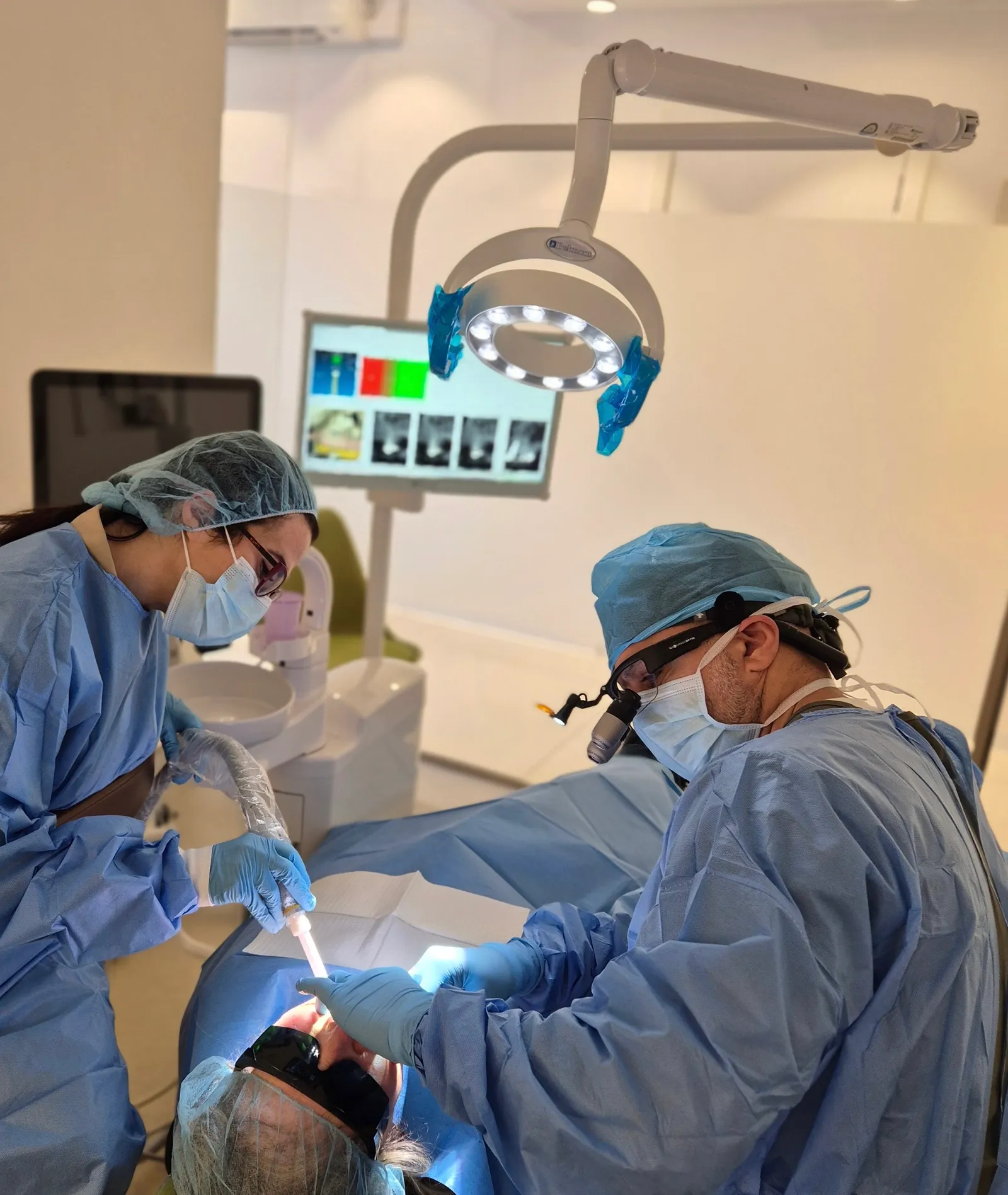
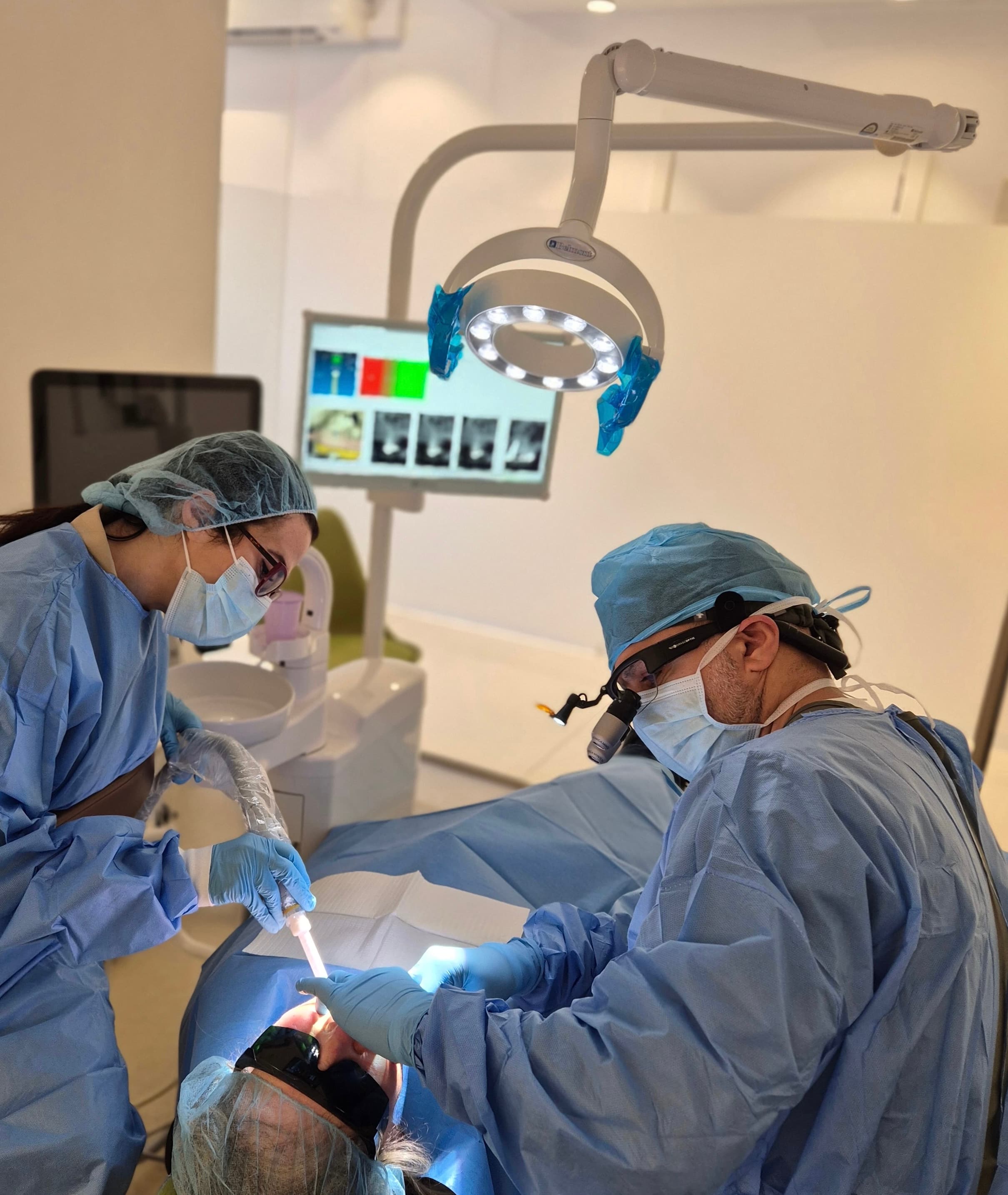
We are accredited and recognised experts in the field of gum disease, treatment of dental implants and gum treatment. Our practice is led by Dr Anoushiravan Ariakish, a Clinical Lecturer in Periodontology at Queen Mary University of London and Research Fellow at Barts.
Gingivitis leading to Periodontitis
Gum disease is one of the most common oral health conditions affecting adults in the UK, yet many people are unsure about the difference between gingivitis and periodontitis. Understanding the early signs of gum disease, and seeking prompt professional care, can help protect your gums, teeth and overall oral health.
At White Rose Dental Studio, we provide advanced, evidence-based gum disease treatment for patients across West Hampstead, Hampstead, St John's Wood and North West London. Our experienced team offers personalised periodontal care alongside comprehensive cosmetic and restorative dentistry, including dental implants, Invisalign treatment, porcelain veneers and smile makeovers.
For more than 30 years, our clinic has cared for patients across West Hampstead, Hampstead and North West London, building long-standing relationships founded on trust, clinical excellence and personalised care.
Our practice is led by Dr Anoushiravan Ariakish, an Academic Clinical Lecturer with 28 years of clinical practice in London, including North West London. Combining academic involvement with extensive clinical experience, Dr Ariakish provides thoughtful, evidence-based care with particular expertise in gum disease treatment, dental implants and aesthetic dentistry.
Our practice has also been recognised nationally, receiving both the Best Dental Practice Award and the Best Dental Team Award at the Dentistry Awards, reflecting our ongoing commitment to exceptional patient care and clinical standards.
What Is Gum Disease?
Gum disease is a common inflammatory condition affecting the gums and supporting structures around the teeth. It is primarily caused by a build-up of dental plaque, a sticky film containing bacteria that accumulates on the teeth and around the gumline.
Without effective oral hygiene and regular professional dental care, plaque can harden into tartar (calculus), increasing the risk of infection and gum inflammation.
The two main stages of gum disease are:
- Gingivitis: the early and reversible stage of gum disease.
- Periodontitis: the more advanced form of gum disease that can lead to bone loss and tooth loss if left untreated.
Gingivitis – Early Gum Disease
Gingivitis is the mildest and most common form of gum disease. Symptoms may include:
- Red or swollen gums
- Bleeding when brushing or flossing
- Bad breath
- Tenderness around the gums
Many adults in the UK experience some degree of gingivitis. Fortunately, with improved oral hygiene and professional dental cleaning, gingivitis is usually reversible. However, if gum inflammation is ignored, it can progress to periodontitis.
Periodontitis – Advanced Gum Disease
Periodontitis is a more serious condition that affects not only the gums, but also the bone and connective tissues supporting the teeth. As the disease progresses, deep pockets can form around the teeth, allowing harmful bacteria to spread beneath the gumline. Over time, this may lead to:
- Gum recession
- Loose teeth
- Bone loss
- Persistent bad breath
- Tooth mobility
- Tooth loss
Periodontitis is one of the leading causes of tooth loss in adults worldwide. Early diagnosis and specialist periodontal care are essential to help stabilise the condition and preserve long-term oral health.
3 Important Steps to Help Combat Gum Disease
1. Give Your Mouth an Improved Routine
Gum disease mainly develops when we've slackened on our oral care. When gum disease is in the early stage, the solution is simply upgrading your routine to reduce bacteria in your mouth. Brushing after meals, flossing and swishing with mouthwash twice daily can prevent gum disease taking hold. Also schedule regular dentist check-ups, because when plaque develops into tartar, it can only be removed with professional cleanings. Early gum disease is preventable if you swiftly take action.
2. Get a Thorough Cleaning
If sticking to improved oral health routines isn't reversing gum disease symptoms, you likely have a more advanced infection where deep, hard-to-reach bacteria pockets have formed around the base of your teeth. A deep cleaning by our expert dentist or periodontist every 3 to 6 months is the best way to remove the calculus and most of the harmful bacteria from your mouth.
3. Visit our gum disease experts
If problems persist, antibiotics may be prescribed and further treatment may be needed to fully control the infection-causing microorganisms in your mouth. The best way to treat gum disease is to practise good oral hygiene, although additional dental and medical treatments are sometimes necessary.
Oral Hygiene Best Practices
Good oral hygiene involves:
- Brushing your teeth for about 2 minutes last thing at night before you go to bed and during the day after breakfast or lunch every day.
- It does not matter if you use an electric or manual toothbrush, however research has shown that electric tooth brush is more effective than manual.
- Using toothpaste that contains the right amount of fluoride, a natural mineral that helps protect against tooth decay.
- Flossing your teeth or using interdental brushes regularly - preferably daily, before or after brushing your teeth.
- Not smoking.
- Regularly visiting your dentist - at least once every 6 months.
Mouthwash and Gum Disease
Antiseptic mouthwashes containing chlorhexidine or hexetidine are available over the counter from pharmacies. But there's some debate about whether using mouthwash is necessary for people with healthy gums. Mouthwashes cannot remove existing plaque. Only regular toothbrushing and flossing or interdental brushing can do this.
Your dentist may recommend using mouthwash if it helps control the build-up of plaque, the sticky substance that forms when bacteria collects on the surface of your teeth. We will be able to advise you about which type of mouthwash is most suitable and how to use it.
Chlorhexidine mouthwash can stain your teeth brown if you use it regularly. Rinse your mouth thoroughly between brushing your teeth and using a chlorhexidine mouthwash as some ingredients in toothpaste can prevent the mouthwash working. You should not use a chlorhexidine mouthwash for longer than 4 weeks.
Scale and Polish
To remove plaque and tartar (hardened plaque) that can build up on your teeth, we may suggest that you have your teeth scaled and polished. This is a "professional clean" usually carried out at our dental studio by a dental hygienist. The dental hygienist will scrape away plaque and calculus from your teeth using special instruments, then polish your teeth to remove marks or stains. If a lot of plaque or calculus has built up, you may need to have more than 1 scale and polish.
Non-Surgical Periodontal Treatment
In some cases of gum disease, non-surgical periodontal treatment (debridement) may be required. This is a deep clean under the gums that removes the bacteria from the roots of your teeth.
Before having the treatment, you may need to have a local anaesthetic (painkilling medication) to numb the area. This procedure is painless and you will experience numb lips and cheeks for approximately 2 hours after the procedure. You may experience some sensitivity and discomfort for up to 48 hours after having nonsurgical periodontal treatment.
Further Treatment
If you have severe gum disease, you may need further treatment, such as periodontal surgery. In some cases, it's necessary to remove the affected tooth. At White Rose Dental Studio we will be able to tell you about the procedure needed and how it's carried out. If you're having surgical or nonsurgical treatment, you may be given antibiotics (medication to treat infections). We will tell you whether this is necessary.